
The Liver-Brain Connection: Why Sluggish Detox Pathways Leave Waste Circulating in Your Head
It’s been a little while since I spoke about the liver, but it remains the single organ I support in almost every single clinic prescription. I sit in genuine awe of the liver. It cops serious daily abuse, yet give it a few weeks of clean living and target support, and it recovers magnificently.
(Mostly... there are limits!)
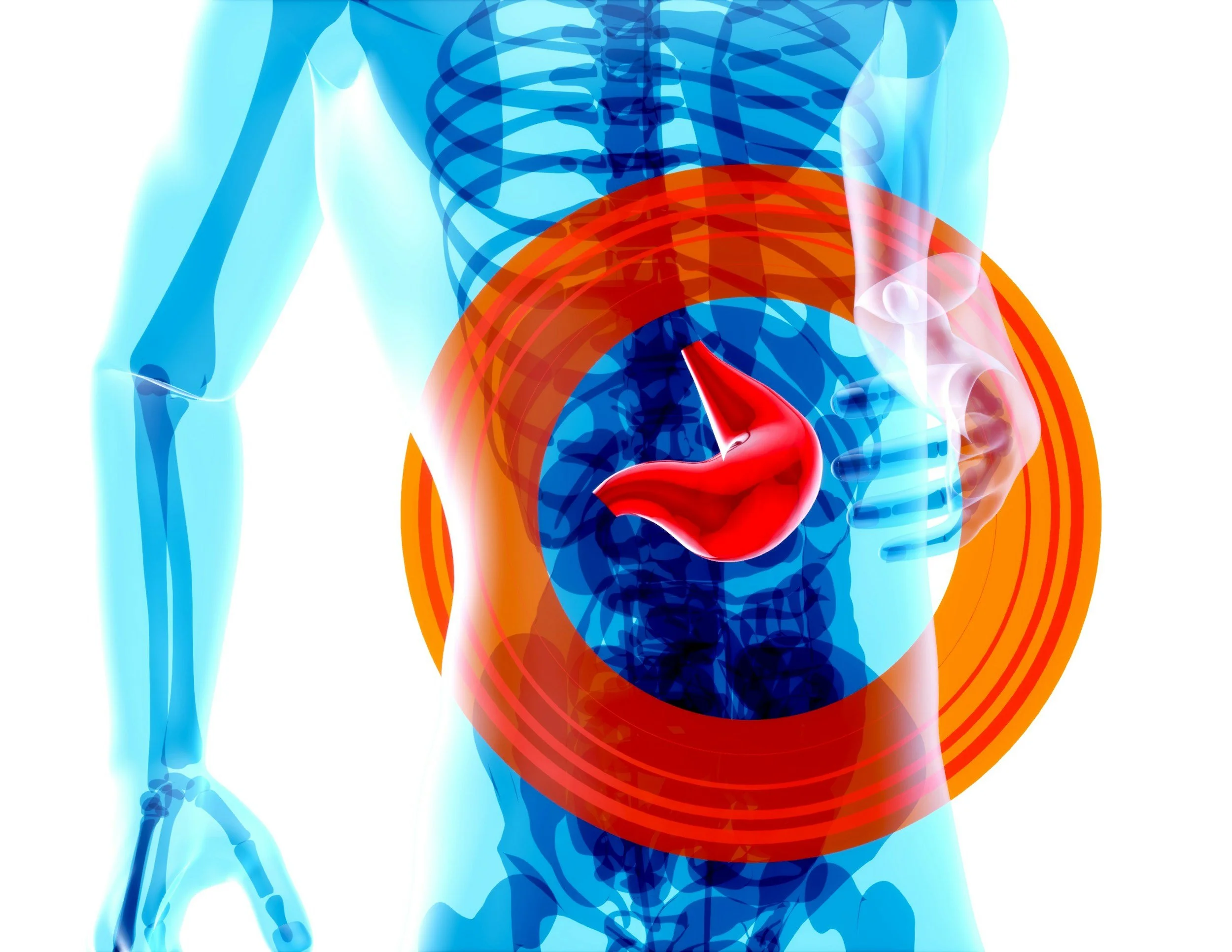
The liver is the only internal organ capable of regenerating itself. It filters roughly 2,000 litres of blood every single day. No, I didn’t accidentally add a couple of extra zeros. You read that right: 2,000 litres a day.
It filters environmental chemicals, processes heavy metals, metabolises circulating hormones, keeps a emergency stash of glycogen for low blood sugar events, synthesises cholesterol, and manufactures bile. There really isn’t much in human physiology that the liver doesn't have a hand in. It even drops everything to clear alcohol as an absolute priority; specifically to protect your delicate nervous system.
The Brain's Ultimate Bodyguard
In times of extreme starvation, the human body will consume its own tissues just to keep the brain fed. And the liver acts as the ultimate front-line bodyguard for that motherboard.
The brain has a very limited capacity to clean itself; it only gets a narrow window of time during deep sleep to run its glymphatic waste clearance (Jesson et al., 2015). This makes keeping circulating toxins out of general blood flow a massive responsibility for the liver.
While the brain relies on the Blood-Brain Barrier, that barrier is not foolproof. When liver clearance pathways slow down, metabolic waste products, environmental toxins, and used hormones accumulate in your circulation. Over time, this ongoing toxic load generates systemic inflammation that degrades the Blood-Brain Barrier.
What does a overloaded liver look like in daily life?
Brain fog, deep fatigue, slowed thinking, broken 3 AM sleep, mood swings, and a disrupted Hypothalamic-Pituitary-Adrenal (HPA) axis.
And if you are in perimenopause-look out! Your fluctuating hormones just found a stressed-out partner in crime. Most of us don't actively support our liver "bestie," so we see a compounding worsening of symptoms as the liver struggles to balance hormone clearance alongside stress, environmental chemicals, and weekend dietary whoopsies.
Sluggish Liver Clearance ➔ Waste & Estrogen Recirculation ➔ Blood Brain Barrier Inflammation ➔ HPA Axis Stress & Brain Fog
The Quiet Workhorse: Subtle Signs of Liver Strain

The liver is such an uncomplaining workhorse that it usually has to be on its knees before standard routine blood tests show elevated liver enzymes. But the functional warning signs are there long before the lab results scream for help:
Elevated Cholesterol:The liver often synthesises extra cholesterol as a protective response to systemic inflammation.
Worsening Hormonal Imbalance: Estrogen clearance stalls when the liver is prioritising neutralising daily toxins or processing alcohol.
The 2 AM - 3 AM Wake-Up Call: According to traditional functional rhythms, the liver works hardest in the early hours of the morning; if it is struggling with metabolic backlog, it will wake you right up.
Persistent Brain Fog & Heavy Fatigue: Waste that should be in the toilet bowl remains in circulation, taxing your neurons.
Your 4-Step "Love Your Liver" Plan
1. Substantially Reduce Alcohol
"Not drinking" (or drinking far less) is officially the new black. You need to free up your liver's processing bandwidth so it can handle used hormones, environmental toxins, and regular cellular waste. With the explosion of brilliant alcohol-free alternatives available now, aiming for fewer than 2–3 standard drinks a week is a game-changer for brain clarity.
2. Up Your Cruciferous Veg Game
Load your plate with broccoli, cauliflower, cabbage, brussels sprouts, and kale. Yes, the "farty" veggies! These sulfur-rich foods directly support phase 2 liver detoxification pathways while supplying high-quality prebiotic fibre to sweep waste out (Hodges & Minich, 2015).
3. Flood Your System with Antioxidants
Vitamin C: Orange, red, and vibrant plant foods.
Vitamin E: Extra virgin olive oil, raw nuts, seeds, and leafy greens.
Selenium: Eating just 1 to 2 Brazil nuts daily provides all the natural selenium your liver enzymes need.
4. Prevent Constipation at All Costs
Make sure toxins and processed hormones leave the building the first time round! If you are constipated, waste sitting in the bowel gets reabsorbed into the bloodstream, forcing the liver to do double duty. Drink plenty of water, eat fresh produce, add freshly ground flaxseeds (linseed), and incorporate fermented foods or prunes to keep things moving daily.
🌟 Advanced Liver-Lover Tip: Cut back on refined sugars (which drive fatty liver changes) and introduce bitter greens like radicchio, rocket, and dandelion leaves to stimulate natural bile flow!
Ready to Give Your Liver (and Brain) a Fresh Start?
If you are dealing with persistent perimenopausal brain fog, stubborn fatigue, or 3 AM wake-ups, addressing your baseline liver chemistry is one of the fastest ways to restore your energy and mental sharpness.
Through functional health assessments and personalized plans like Metabolic Balance, we take the guesswork out of optimizing your biochemistry.
Click here to book a 15-Minute First Step Chat with me today. Let's get your liver supported and your mind clear. Go on, you good thing!
Further Reading & Peer-Reviewed Resources
Simply Healing is a naturopathic and homeopathic clinic led by Sarah Dobbs, nestled in the rainforest of Kuranda. Just 30 minutes from Cairns. We specialize in Metabolic Balance and holistic health, supporting clients in person across Far North Queensland or online Australia-wide.